

Jak działa alfabet Morse'a
Ostatnia aktualizacja:

Spis treści
Alfabet Morse'a wykorzystuje tylko dwa elementy sygnału: krótki sygnał zwany dit (kropka, ·) i długi sygnał zwany dah (kreska, —). Cały system opiera się na precyzyjnych zależnościach czasowych między tymi elementami. Zgodnie ze standardem ITU-R M.1677-1, jedna kreska trwa dokładnie trzy jednostki kropki, odstęp wewnątrz litery to jedna kropka, między literami trzy kropki, a między słowami siedem kropek.
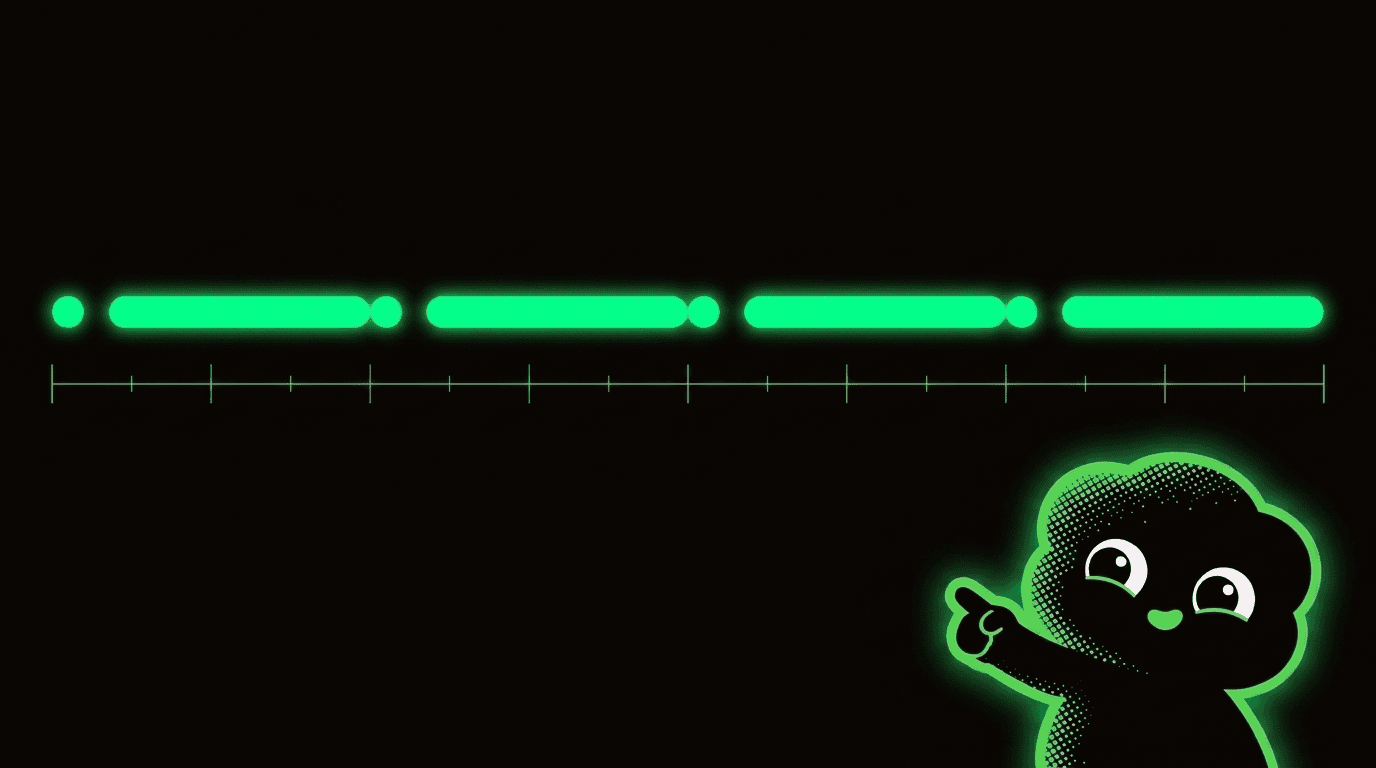
Zasady czasowe
Wszystko w alfabecie Morse'a mierzy się względem czasu trwania kropki, czyli najmniejszej jednostki. Wszystkie pozostałe czasy są jej wielokrotnościami:
| Element | Czas trwania | Wizualizacja |
|---|---|---|
| Kropka (dit) | 1 jednostka | |
| Kreska (dah) | 3 jednostki | |
| Odstęp między elementami (w obrębie litery) | 1 jednostka | cisza |
| Odstęp między literami | 3 jednostki | krótka pauza |
| Odstęp między słowami | 7 jednostek | długa pauza |

Przykład: nadawanie „HI”
H = ···· (cztery kropki)
I = ·· (dwie kropki)
Transmisja: dit odstęp dit odstęp dit odstęp dit (odstęp między literami) dit odstęp dit
Jednostki: 1·1·1·1·1·1·1, 3, 1·1·1 = łącznie 17 jednostek
Pomiar prędkości: słowa na minutę (WPM)
Prędkość alfabetu Morse'a mierzy się w słowach na minutę (WPM). Standardowym słowem odniesienia jest PARIS, które zawiera dokładnie 50 jednostek kropki, wliczając wszystkie odstępy wewnętrzne i odstęp między słowami.
Oznacza to, że przy 20 WPM słowo PARIS jest nadawane 20 razy na minutę, co daje czas trwania kropki równy 60 ms (1,2 sekundy ÷ 20).
Odniesienia prędkości
5 WPM: początkujący (kropka = 240 ms)
13 WPM: dawny wymóg licencji FCC (kropka = 92 ms)
20 WPM: biegły operator (kropka = 60 ms)
30 WPM: ekspert / prędkość zawodowa (kropka = 40 ms)
40+ WPM: szybkie CW (znaki zlewają się ze sobą)
Częstotliwość i ton
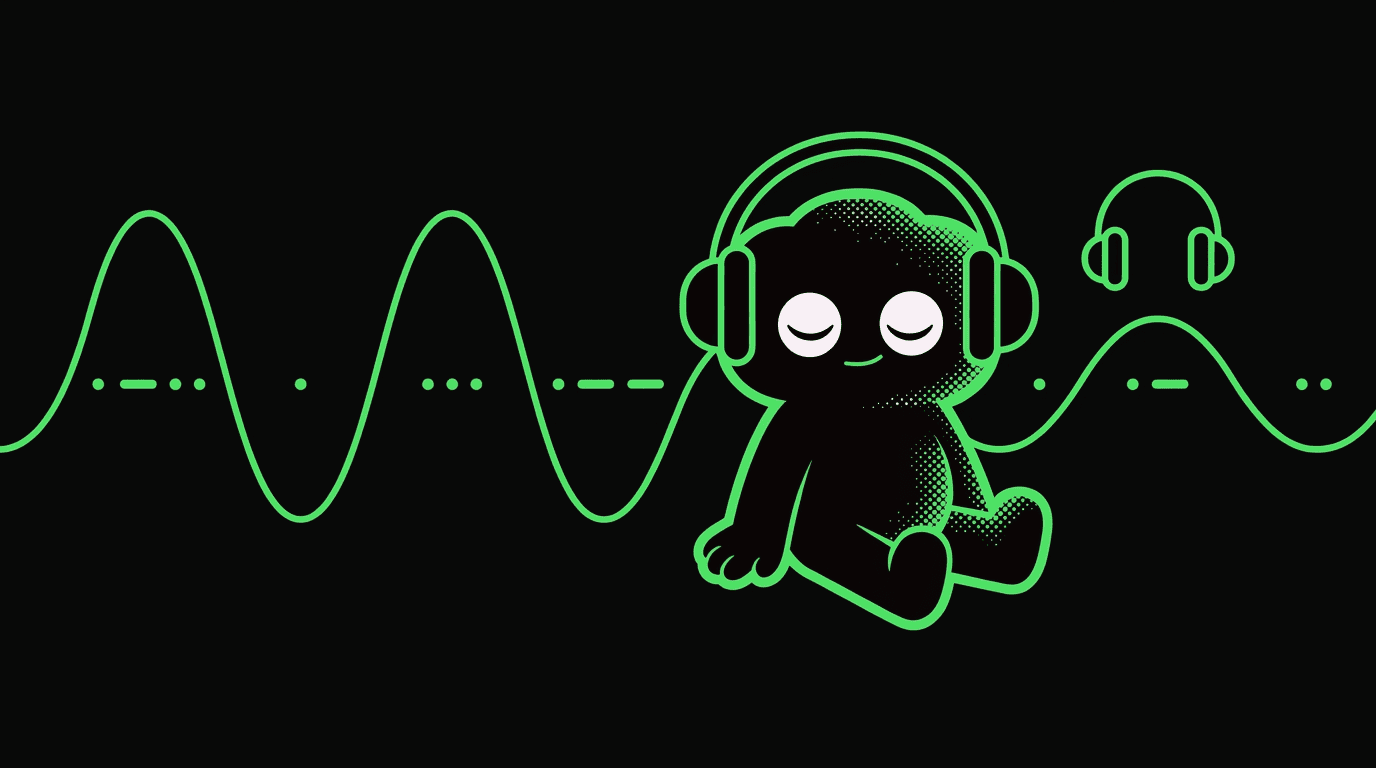
Podczas transmisji radiowej alfabet Morse'a jest nadawany jako sygnał fali ciągłej (CW). Odbiornik wytwarza słyszalny ton, zazwyczaj między 400 Hz a 1000 Hz. Większość operatorów preferuje ton w okolicach 600–700 Hz, który mieści się w komfortowym zakresie dla ludzkiego ucha i skutecznie przebija się przez szumy tła.
Logika projektowania znaków
Alfabet Morse'a został zaprojektowany z myślą o wydajności. Najczęściej używane litery w języku angielskim mają najkrótsze kody:
Standard ITU
Międzynarodowy Związek Telekomunikacyjny (ITU) utrzymuje oficjalny standard międzynarodowego alfabetu Morse'a w ramach Zalecenia ITU-R M.1677. Standard ten definiuje przypisania znaków, zasady czasowe oraz procedury operacyjne stosowane na całym świecie.
Gotowy, by zacząć? Poznaj sprawdzone metody →
Autor

MorseKit jest tworzony i utrzymywany przez Firstpoint. Każda tablica znaków w serwisie jest zgodna z normą ITU-R M.1677-1: proporcje kropki i kreski, odstępy między literami i słowami oraz zestaw znaków interpunkcyjnych ITU. Jeden zbiór danych zasila translator, silnik dźwiękowy i ściągawki do druku, dzięki czemu poprawka trafia od razu do wszystkich trzech. Poza morse'em międzynarodowym zespół utrzymuje dziewięć wariantów regionalnych, w tym wabun, cyrylicę, grekę i alfabet arabski, a także 42 kody Q i 18 prosignów, a te same osoby tworzą aplikacje MorseKit na iOS i Androida. Gdy fakt opiera się na opublikowanej normie, przewodniki ją przywołują, a gdy czegoś nie zweryfikowano, strona to zaznacza.