

Czym jest alfabet Morse'a?
Ostatnia aktualizacja:
Spis treści
Alfabet Morse'a to metoda kodowania znaków tekstu jako ciągów sygnałów o dwóch różnych długościach: kropek (krótkich sygnałów, zapisywanych jako ·) i kresek (długich sygnałów, zapisywanych jako —). Każda litera, cyfra i znak interpunkcyjny ma własne, niepowtarzalne połączenie tych dwóch elementów. Współczesny wariant, ustandaryzowany jako ITU-R M.1677-1, definiuje 54 znaki: 26 liter łacińskich, 10 cyfr oraz 18 kodów interpunkcyjnych i prosignów.
Na przykład litera A to ·—, litera S to ···, a słynny sygnał ratunkowy SOS to ···———···.
Wynalezienie (1836–1844)
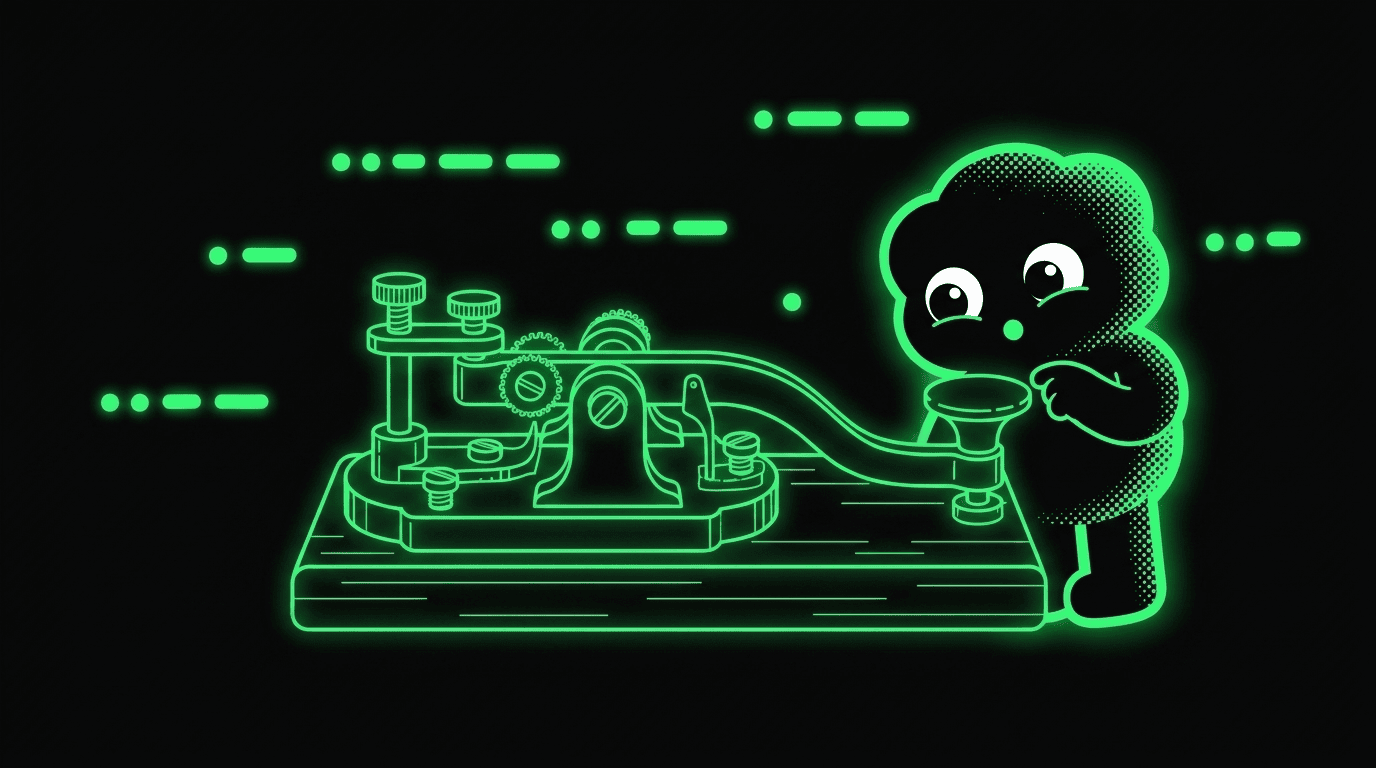
Alfabet Morse'a został opracowany w latach 30. XIX wieku przez Samuela F.B. Morse'a, amerykańskiego malarza i wynalazcę, wraz z jego asystentem Alfredem Vailem. Morse wpadł na pomysł telegrafu elektrycznego po tym, jak dowiedział się, że francuski system semaforowy wymagał stacji przekaźnikowych co 20 mil.
Pierwsza praktyczna demonstracja odbyła się 6 stycznia 1838 roku w zakładach Speedwell Ironworks w Morristown w stanie New Jersey. Pierwsza oficjalna wiadomość, „What hath God wrought”, została wysłana 24 maja 1844 roku z Waszyngtonu do Baltimore eksperymentalną linią telegraficzną sfinansowaną przez Kongres.
Oryginalny a międzynarodowy alfabet Morse'a
Oryginalny kod Morse'a (często nazywany „amerykańskim alfabetem Morse'a”) różnił się od wersji używanej dzisiaj. Międzynarodowy alfabet Morse'a został ustandaryzowany na Międzynarodowej Konferencji Telegraficznej w 1865 roku i dopracowany w kolejnych dekadach. Wersja międzynarodowa uprościła reprezentacje wielu znaków i jest standardem stosowanym obecnie na całym świecie.
Kluczowe różnice
- • Amerykański alfabet Morse'a: używał kresek o zmiennej długości i wewnętrznych odstępów w obrębie znaków
- • Międzynarodowy alfabet Morse'a: tylko dwa typy sygnałów (kropka i kreska) ze standaryzowanym czasem trwania
- • Wersja międzynarodowa jest prostsza do nauki i transmisji, dlatego stała się globalnym standardem
Era telegrafu (1844–lata 1900.)
Telegraf zrewolucjonizował komunikację z dnia na dzień. Wiadomości, które wcześniej szły dniami lub tygodniami konno, mogły teraz docierać w kilka minut. W latach 60. XIX wieku linie telegraficzne łączyły większość głównych miast Ameryki Północnej i Europy. Pierwszy transatlantycki kabel telegraficzny został pomyślnie położony w 1866 roku, łącząc Europę z Ameryką Północną.
Telegrafiści stali się wysoko wykwalifikowanymi profesjonalistami, zdolnymi do nadawania i odbierania 20–30 słów na minutę. Wielu z nich wypracowało rozpoznawalną „pięść”: unikalny, rytmiczny styl, który inni operatorzy potrafili zidentyfikować, podobnie jak rozpoznaje się czyjeś pismo odręczne.
Łączność morska i SOS (lata 1900.–1940.)
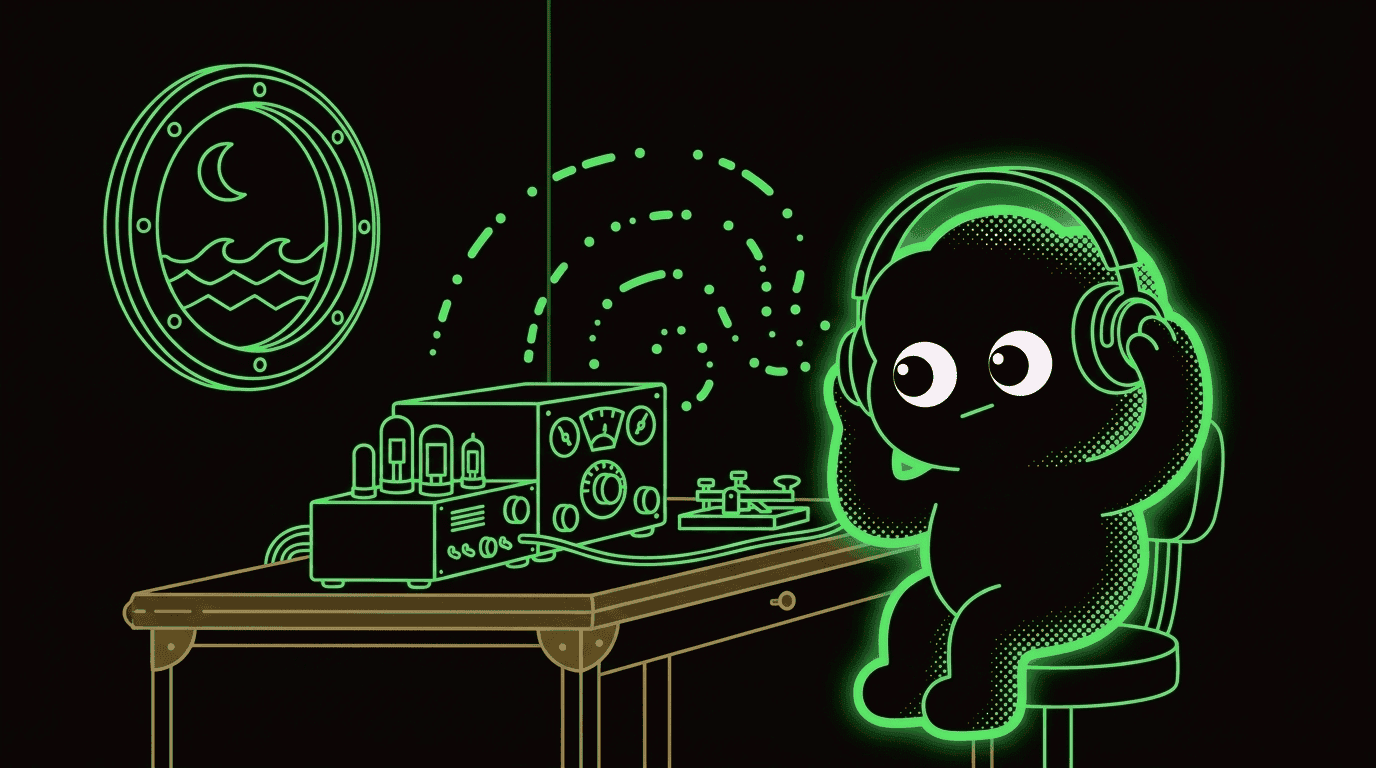
Alfabet Morse'a stał się niezbędny w łączności morskiej. Statki wykorzystywały radiotelegrafię do komunikacji ze stacjami brzegowymi i innymi jednostkami. Sygnał ratunkowy SOS (···———···) został przyjęty międzynarodowo w 1906 roku ze względu na charakterystyczny i niepowtarzalny wzór dźwiękowy.
Najsłynniejsza transmisja SOS została wysłana przez RMS Titanic 15 kwietnia 1912 roku. Radiotelegrafista Jack Phillips nadawał zarówno starszy sygnał ratunkowy CQD, jak i nowszy SOS, aż do utraty zasilania statku. Pobliski RMS Carpathia odebrał sygnał i uratował 710 rozbitków.
I i II wojna światowa
Obie wojny światowe w dużym stopniu opierały się na alfabecie Morse'a w komunikacji wojskowej. Używano go do wiadomości statek-brzeg, łączności lotniczej oraz szyfrowanych wiadomości polowych. Zdolność kodu do przesyłania na duże odległości przy niskiej mocy nadajnika czyniła go nieocenionym w warunkach bojowych.
Krótkofalarstwo (od lat 1950. do dziś)
Choć zastosowanie komercyjne zmalało wraz z rozwojem łączności głosowej i technologii satelitarnej, alfabet Morse'a znalazł pasjonujący dom w amatorskiej (krótkofalarskiej) łączności radiowej. Krótkofalowcy na całym świecie nadal używają kodu Morse'a, określanego skrótem CW (fala ciągła, ang. Continuous Wave), do łączności dalekosiężnej, zawodów oraz przygotowań na sytuacje awaryjne.
Międzynarodowy Związek Telekomunikacyjny (ITU) zniósł wymóg znajomości alfabetu Morse'a dla licencji krótkofalarskich w 2003 roku, ale wielu operatorów nadal dobrowolnie uczy się go i z niego korzysta. CW pozostaje jednym z najwydajniejszych trybów łączności przy słabym sygnale. Sygnał Morse'a często przebije się tam, gdzie głos nie ma szans.
Alfabet Morse'a dzisiaj
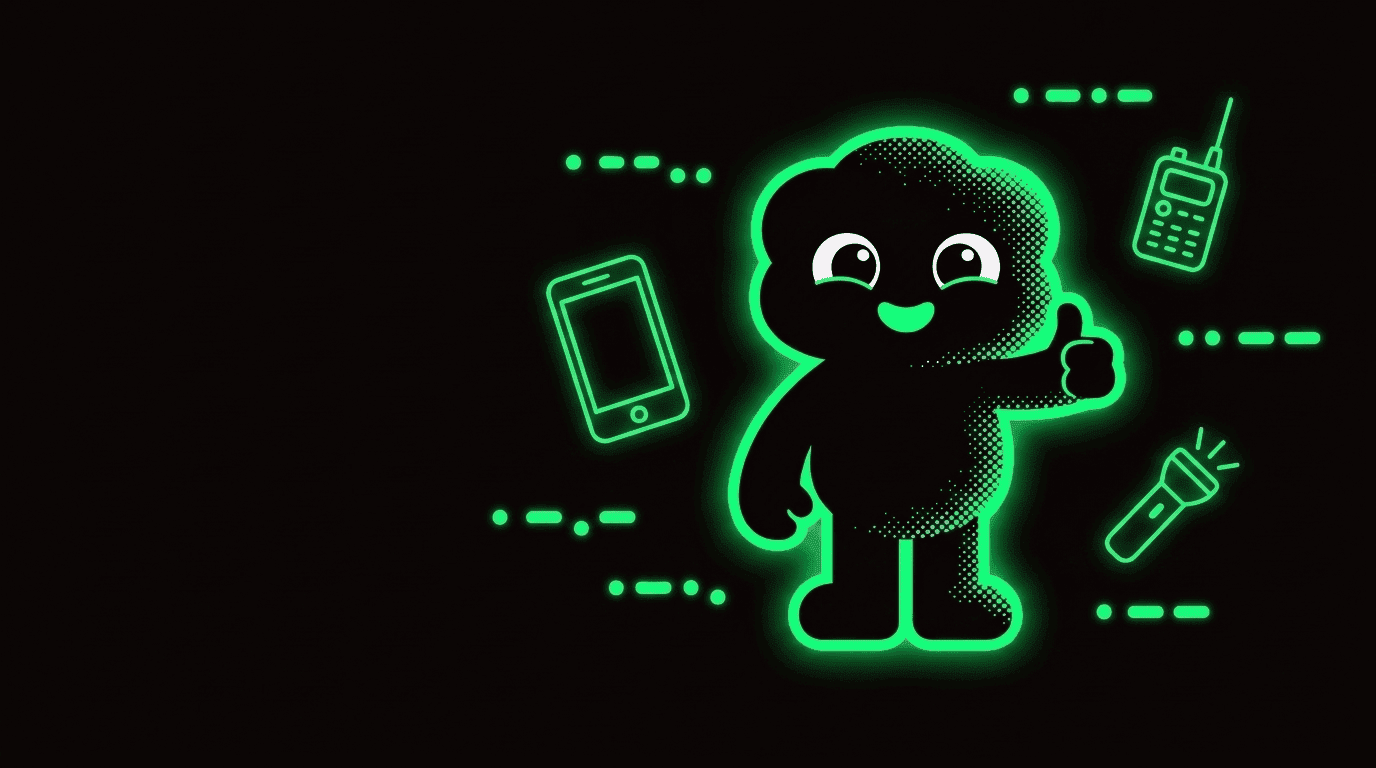
Daleki od bycia przestarzałym, alfabet Morse'a jest dziś aktywnie używany w kilku dziedzinach:
- • Krótkofalarstwo: tysiące krótkofalowców codziennie komunikuje się za pomocą CW
- • Lotnictwo: radiolatarnie nawigacyjne (NDB) identyfikują się sygnałami alfabetu Morse'a
- • Wojsko: niektóre jednostki specjalne nadal szkolą się z alfabetu Morse'a jako zapasowej metody łączności
- • Dostępność: alfabet Morse'a jest używany jako metoda wprowadzania danych dla osób z niepełnosprawnościami ruchowymi. Zarówno Android, jak i iOS obsługują wprowadzanie znaków za pomocą kodu Morse'a
- • Sygnalizacja awaryjna: SOS można nadawać latarką, lusterkiem lub dźwiękiem w sytuacjach przetrwania
- • Sztuka i kultura: alfabet Morse'a pojawia się w biżuterii, tatuażach, muzyce i sztukach wizualnych
Gotowy, by nauczyć się kodu? Zobacz, jak to działa →
Autor

MorseKit jest tworzony i utrzymywany przez Firstpoint. Każda tablica znaków w serwisie jest zgodna z normą ITU-R M.1677-1: proporcje kropki i kreski, odstępy między literami i słowami oraz zestaw znaków interpunkcyjnych ITU. Jeden zbiór danych zasila translator, silnik dźwiękowy i ściągawki do druku, dzięki czemu poprawka trafia od razu do wszystkich trzech. Poza morse'em międzynarodowym zespół utrzymuje dziewięć wariantów regionalnych, w tym wabun, cyrylicę, grekę i alfabet arabski, a także 42 kody Q i 18 prosignów, a te same osoby tworzą aplikacje MorseKit na iOS i Androida. Gdy fakt opiera się na opublikowanej normie, przewodniki ją przywołują, a gdy czegoś nie zweryfikowano, strona to zaznacza.