

मोर्स कोड कैसे सीखें
अंतिम अपडेट:

विषय-सूची
मोर्स कोड सीखना कोई वाद्य यंत्र सीखने जैसा है। यह दोहराव के ज़रिए पैटर्न पहचानने के बारे में है, रटने के बारे में नहीं। सबसे प्रभावी विधियाँ आपके दिमाग को ध्वनि पैटर्न तुरंत पहचानने के लिए प्रशिक्षित करती हैं, ताकि हर वर्ण को सोच-समझकर डिकोड करने की ज़रूरत न रहे। कोच विधि, जिसे जर्मन मनोवैज्ञानिक लुडविग कोच ने 1936 में विकसित किया और ARRL द्वारा अनुशंसित, आपको केवल दो वर्णों के साथ पूर्ण लक्ष्य गति (15 से 20 WPM) पर शुरू करती है और जब आप 90% सटीकता प्राप्त करते हैं तो प्रति सत्र एक नया वर्ण जोड़ती है।
विधि 1: कोच विधि (अनुशंसित)
1930 के दशक में मनोवैज्ञानिक लुडविग कोच द्वारा विकसित, इसे व्यापक रूप से मोर्स कोड सीखने के लिए सबसे प्रभावी विधि माना जाता है.
यह कैसे काम करता है:
- अपनी लक्ष्य गति (उदाहरण के लिए, 20 WPM) से शुरू करें. कभी भी धीमे न करें
- केवल 2 वर्णों (पारंपरिक रूप से K और M) से शुरू करें
- तब तक अभ्यास करें जब तक आप उन्हें 90% सटीकता पर कॉपी न कर सकें
- एक नया वर्ण जोड़ें और दोहराएँ
- तब तक जारी रखें जब तक सभी 26 अक्षर, 10 अंक और सामान्य विराम चिह्न में महारत हासिल न हो जाए
मुख्य अंतर्दृष्टि: शुरुआत से ही पूर्ण गति पर सीखकर, आप कभी भी डॉट्स और डैशेस गिनने की बुरी आदत विकसित नहीं करते.
विधि 2: फार्न्सवर्थ स्पेसिंग
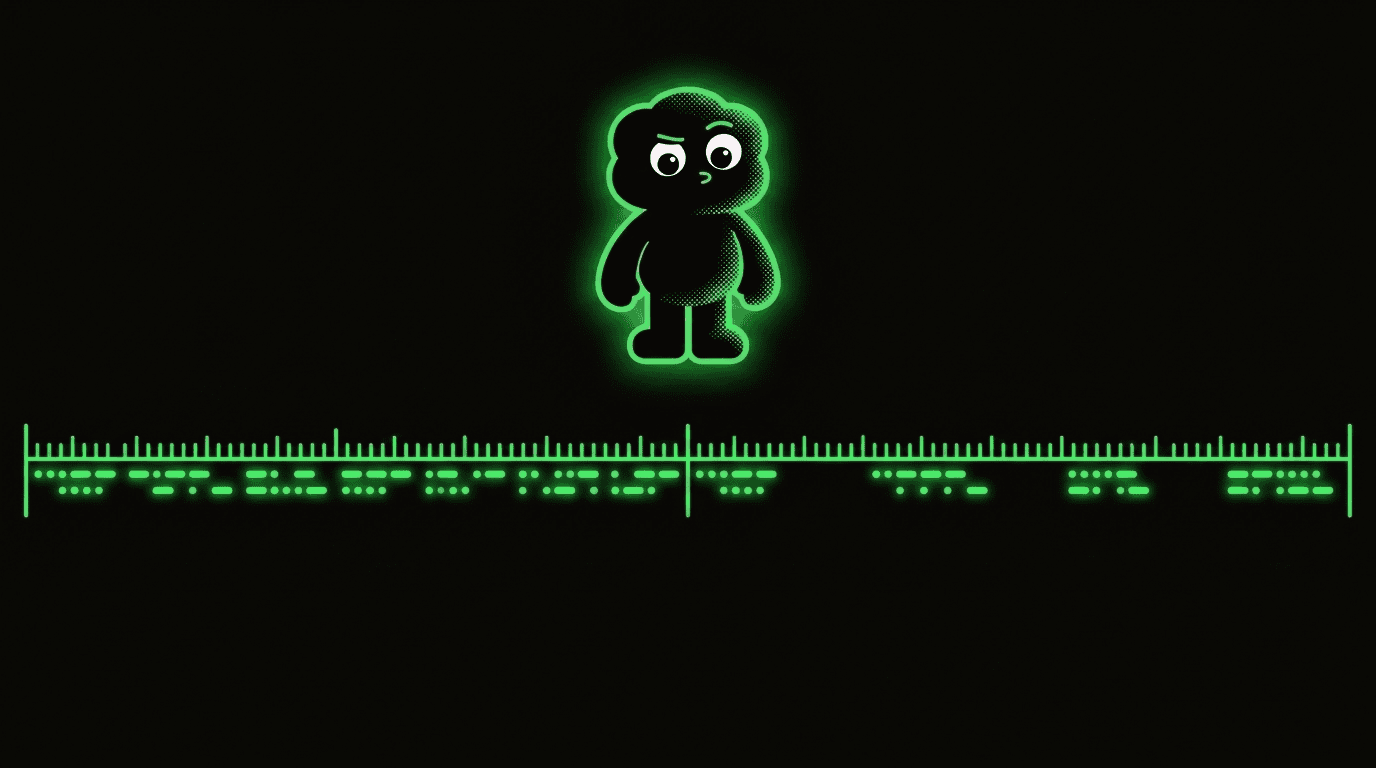
यह विधि व्यक्तिगत वर्णों को पूर्ण गति पर भेजती है लेकिन उनके बीच अतिरिक्त अंतराल जोड़ती है. जैसे-जैसे आप सुधार करते हैं, अंतराल धीरे-धीरे कम होता जाता है जब तक कि यह मानक समय तक नहीं पहुँच जाता.
उदाहरण के लिए, "20/10 फार्न्सवर्थ" पर: प्रत्येक अक्षर 20 WPM गति पर भेजा जाता है, लेकिन अक्षरों के बीच के अंतराल इस तरह बढ़ाए जाते हैं जैसे कि समग्र गति केवल 10 WPM हो. यह आपके मस्तिष्क को ध्वनि पैटर्न को विकृत किए बिना प्रत्येक वर्ण को संसाधित करने के लिए अधिक समय देता है.
विधि 3: स्मरण-सहायक
कुछ शिक्षार्थी शब्द-आधारित स्मृति सहायक का उपयोग करते हैं जहाँ शब्दांश पर बल डॉट/डैश पैटर्न से मेल खाता है:
a-PART
BAN-a-na-s
CO-ca-CO-la
DAN-ger-ous
MOM
OH-MY-GOD
नोट: अधिकांश अनुभवी ऑपरेटर दीर्घकालिक उपयोग के लिए स्मरण-सहायक के खिलाफ सलाह देते हैं. वे एक मानसिक अनुवाद चरण जोड़ते हैं जो उच्च गति पर आपको धीमा करता है.
विधि 4: ऑडियो-प्रथम सीखना
मोर्स कोड सीखने में सबसे महत्वपूर्ण सिद्धांत: कान से सीखें, दृष्टि से नहीं. आपका लक्ष्य ·— सुनकर तुरंत "A" सोचना है, न कि पृष्ठ पर डॉट्स और डैशेस देखकर उनका अनुवाद करना.
ऑडियो-प्रथम क्यों काम करता है
- • मोर्स कोड मौलिक रूप से एक ध्वनि-आधारित संचार प्रणाली है
- • ऑडियो पैटर्न पहचान दृश्य डिकोडिंग की तुलना में अलग (तेज़) तंत्रिका मार्गों का उपयोग करती है
- • उच्च गति पर (15+ WPM), वर्ण लयबद्ध पैटर्न बन जाते हैं, व्यक्तिगत डॉट्स और डैशेस नहीं
- • दृश्य शिक्षार्थी अक्सर 10 से 12 WPM पर एक "दीवार" से टकराते हैं जिसे ऑडियो शिक्षार्थी पूरी तरह से दरकिनार कर देते हैं
अभ्यास कार्यक्रम
यहाँ शून्य से मोर्स कोड सीखने के लिए एक यथार्थवादी समयरेखा दी गई है:
| चरण | अवधि | लक्ष्य |
|---|---|---|
| सप्ताह 1 से 2 | 15 मिनट/दिन | लक्ष्य गति पर A से Z सीखें (कोच विधि) |
| सप्ताह 3 से 4 | 20 मिनट/दिन | 0 से 9 और सामान्य विराम चिह्न जोड़ें |
| महीना 2 | 20 मिनट/दिन | 15 WPM पर यादृच्छिक 5-अक्षर समूहों की कॉपी करें |
| महीना 3 | 20 मिनट/दिन | 15 से 20 WPM पर सादा पाठ कॉपी करें |
| महीना 4+ | ऑन एयर अभ्यास | वास्तविक QSOs, प्रतियोगिताएँ, 20+ WPM |

बचने योग्य सामान्य गलतियाँ
- • डॉट्स और डैशेस गिनना: यह एक अड़चन पैदा करता है. पैटर्न को संपूर्ण ध्वनियों के रूप में पहचानना सीखें.
- • बहुत धीरे शुरू करना: यदि आप 5 WPM पर सीखते हैं, तो आपको 15 WPM पर फिर से सीखना होगा. अपनी लक्ष्य गति पर शुरू करें.
- • केवल दृश्य अध्ययन: चार्ट देखना आपको मोर्स नहीं सिखाएगा. आपको ऑडियो के साथ अभ्यास करना चाहिए.
- • लंबे सत्र: 15 से 20 मिनट का केंद्रित अभ्यास 2 घंटे के बिना केंद्र वाले दोहराव से बेहतर है.
- • दैनिक अभ्यास छोड़ना: सत्र की लंबाई से अधिक निरंतरता मायने रखती है. हर दिन, भले ही संक्षेप में.
अभ्यास के लिए उपकरण
हमारे मोर्स कोड टूल्स का उपयोग अभ्यास के लिए करें:
- • अनुवादक: देखें कि कोई भी पाठ मोर्स में कैसा दिखता और सुनाई देता है
- • ऑडियो जनरेटर: विभिन्न WPM गति और पिच पर सुनने का अभ्यास करें
- • ऑडियो डिकोडर: अपने स्वयं के प्रसारण को डिकोड करके अपनी भेजने की क्षमता का परीक्षण करें
- • अकादमी: इंटरैक्टिव वर्णमाला चार्ट हर वर्ण के लिए ऑडियो के साथ
- • मुद्रण योग्य चीट शीट: मुफ्त A4 PDF. त्वरित संदर्भ के लिए इसे अपनी डेस्क के बगल में पिन करें
अभी अभ्यास शुरू करें → टूल्स खोलें
लेखक

MorseKit को Firstpoint बनाती और बनाए रखती है। साइट की हर वर्ण तालिका ITU-R M.1677-1 मानक का पालन करती है: बिंदु और डैश के अनुपात, अक्षरों और शब्दों के बीच के अंतराल, और ITU का विराम चिह्न समुच्चय। एक ही डेटासेट अनुवादक, ऑडियो इंजन और छपाई योग्य चीट शीट को चलाता है, इसलिए एक सुधार तीनों तक एक साथ पहुँचता है। अंतरराष्ट्रीय मोर्स के साथ-साथ टीम नौ क्षेत्रीय रूप बनाए रखती है, जिनमें वाबुन, सिरिलिक, ग्रीक और अरबी शामिल हैं, तथा 42 Q कोड और 18 प्रोसाइन, और यही लोग iOS और Android के लिए MorseKit ऐप बनाते हैं। जहाँ कोई तथ्य प्रकाशित मानक पर टिका होता है वहाँ मार्गदर्शिकाएँ उसका हवाला देती हैं, और जहाँ कुछ सत्यापित नहीं होता वहाँ पृष्ठ यह बता देता है।