

मोर्स कोड कैसे काम करता है
अंतिम अपडेट:

विषय-सूची
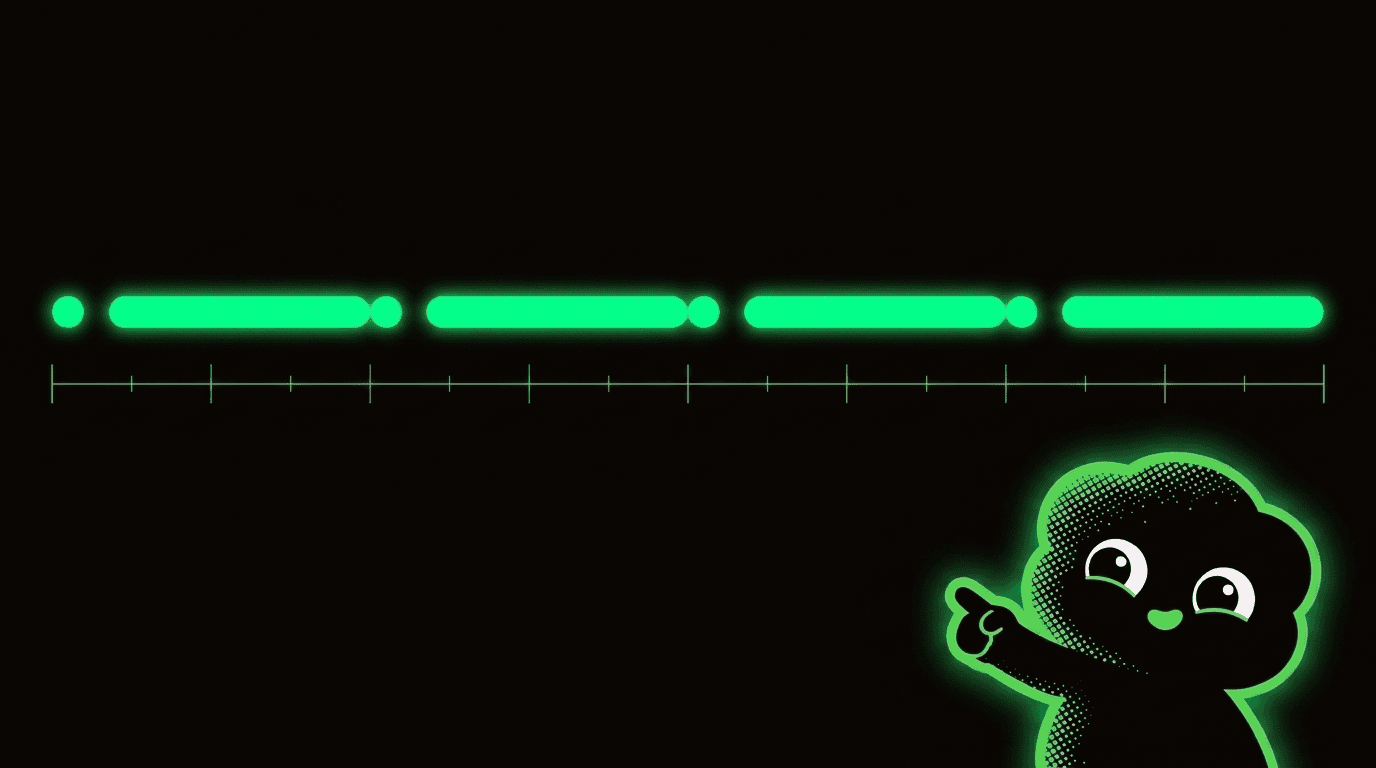
मोर्स कोड केवल दो सिग्नल तत्वों का उपयोग करता है: एक छोटा सिग्नल जिसे डिट कहते हैं (डॉट, ·) और एक लंबा सिग्नल जिसे डाह कहते हैं (डैश, —)। पूरी प्रणाली इन तत्वों के बीच सटीक समय संबंधों पर टिकी है। ITU-R M.1677-1 मानक के अनुसार, एक डैश ठीक तीन डिट इकाइयों तक चलता है, एक अक्षर के भीतर अंतराल एक डिट है, अक्षरों के बीच तीन डिट और शब्दों के बीच सात डिट।
टाइमिंग नियम
मोर्स कोड में सब कुछ डॉट अवधि, सबसे छोटी इकाई, के सापेक्ष मापा जाता है. अन्य सभी समय इस इकाई के गुणक हैं:
| तत्व | अवधि | दृश्य |
|---|---|---|
| डॉट (डिट) | 1 इकाई | |
| डैश (डाह) | 3 इकाइयाँ | |
| तत्वों के बीच अंतराल (एक अक्षर के भीतर) | 1 इकाई | मौन |
| अक्षरों के बीच अंतराल | 3 इकाइयाँ | छोटा विराम |
| शब्दों के बीच अंतराल | 7 इकाइयाँ | लंबा विराम |

उदाहरण: "HI" भेजना
H = ···· (चार डॉट्स)
I = ·· (दो डॉट्स)
प्रसारण: डिट अंतराल डिट अंतराल डिट अंतराल डिट (अक्षर अंतराल) डिट अंतराल डिट
इकाइयाँ: 1·1·1·1·1·1·1, 3, 1·1·1 = कुल 17 इकाइयाँ
गति मापना: शब्द प्रति मिनट (WPM)
मोर्स कोड की गति शब्द प्रति मिनट (WPM) में मापी जाती है. मानक संदर्भ शब्द PARIS है, जिसमें सभी आंतरिक और शब्द अंतराल को मिलाकर ठीक 50 डॉट-इकाइयाँ होती हैं.
इसका मतलब है कि 20 WPM पर, शब्द PARIS प्रति मिनट 20 बार प्रसारित होता है, जिससे डॉट की अवधि 60ms (1.2 सेकंड ÷ 20) होती है.
गति संदर्भ
5 WPM: शुरुआती (डॉट = 240ms)
13 WPM: पूर्व FCC लाइसेंस आवश्यकता (डॉट = 92ms)
20 WPM: कुशल ऑपरेटर (डॉट = 60ms)
30 WPM: विशेषज्ञ / प्रतियोगिता गति (डॉट = 40ms)
40+ WPM: उच्च गति CW (वर्ण आपस में धुंधले हो जाते हैं)
आवृत्ति और टोन
जब रेडियो द्वारा प्रसारित किया जाता है, तो मोर्स कोड को निरंतर तरंग (CW) सिग्नल के रूप में भेजा जाता है. रिसीवर एक श्रव्य टोन उत्पन्न करता है, आमतौर पर 400 Hz और 1000 Hz के बीच. अधिकांश ऑपरेटर लगभग 600 से 700 Hz की टोन पसंद करते हैं, जो मानव कान के लिए आरामदायक सीमा में बैठती है और पृष्ठभूमि शोर को प्रभावी ढंग से काटती है.
वर्ण डिज़ाइन तर्क
मोर्स कोड को दक्षता को ध्यान में रखकर डिज़ाइन किया गया था. अंग्रेजी में सबसे अधिक उपयोग किए जाने वाले अक्षरों में सबसे छोटे कोड होते हैं:
ITU मानक
अंतर्राष्ट्रीय दूरसंचार संघ (ITU) सिफारिश ITU-R M.1677 के तहत अंतर्राष्ट्रीय मोर्स कोड के लिए आधिकारिक मानक बनाए रखता है. यह मानक विश्व स्तर पर उपयोग किए जाने वाले वर्ण असाइनमेंट, समय नियमों और परिचालन प्रक्रियाओं को परिभाषित करता है.
शुरू करने के लिए तैयार हैं? सिद्ध विधियाँ सीखें →
लेखक

MorseKit को Firstpoint बनाती और बनाए रखती है। साइट की हर वर्ण तालिका ITU-R M.1677-1 मानक का पालन करती है: बिंदु और डैश के अनुपात, अक्षरों और शब्दों के बीच के अंतराल, और ITU का विराम चिह्न समुच्चय। एक ही डेटासेट अनुवादक, ऑडियो इंजन और छपाई योग्य चीट शीट को चलाता है, इसलिए एक सुधार तीनों तक एक साथ पहुँचता है। अंतरराष्ट्रीय मोर्स के साथ-साथ टीम नौ क्षेत्रीय रूप बनाए रखती है, जिनमें वाबुन, सिरिलिक, ग्रीक और अरबी शामिल हैं, तथा 42 Q कोड और 18 प्रोसाइन, और यही लोग iOS और Android के लिए MorseKit ऐप बनाते हैं। जहाँ कोई तथ्य प्रकाशित मानक पर टिका होता है वहाँ मार्गदर्शिकाएँ उसका हवाला देती हैं, और जहाँ कुछ सत्यापित नहीं होता वहाँ पृष्ठ यह बता देता है।